
Introduction
Pigeon shooting, often a topic of debate and controversy, plays a crucial role in the UK’s conservation efforts. While some may view it simply as a recreational activity, it is important to recognize the significant impact that pigeon shooting has on the country’s agricultural industry, biodiversity, and habitat preservation. In this blog post, we will delve into the reasons why pigeon shooting is vital for the UK and how it contributes to maintaining a delicate balance in our ecosystem.
Agricultural Protection
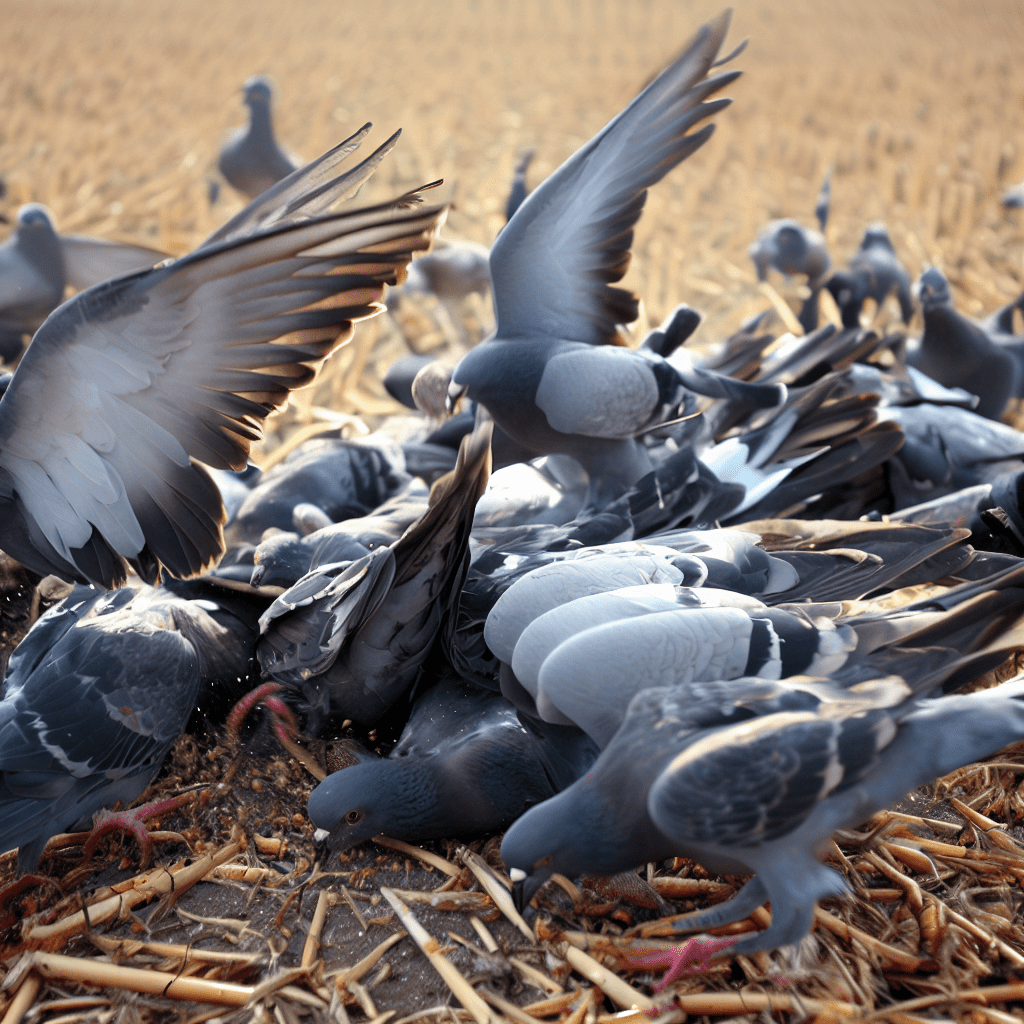
Pigeons, particularly wood pigeons, can cause significant damage to agricultural crops. These birds have a voracious appetite and can decimate young crops, leading to substantial financial losses for farmers. By engaging in responsible pigeon shooting, farmers can mitigate the damage caused by these birds and protect their livelihoods. Through targeted and controlled culling, the balance between agricultural production and wildlife conservation can be maintained.
Biodiversity and Habitat Preservation
Pigeon shooting helps prevent an overpopulation of pigeons, which, if left unchecked, can negatively impact other bird species and their habitats. Pigeons can outcompete native bird species for resources such as food and nesting sites, leading to a decline in biodiversity. By managing pigeon populations, we create opportunities for other bird species to thrive and maintain a healthy ecosystem.
Crop Protection and Food Security
As an island nation, the UK heavily relies on agriculture to ensure food security. Pigeons can cause extensive damage to crops, affecting the quality and quantity of food produced. By actively controlling pigeon populations, farmers can safeguard their crops, ensuring an abundant food supply for both domestic consumption and export. The reduction of crop losses due to pigeon damage helps maintain a stable agricultural sector and contributes to the nation’s food security goals.
Conservation of Woodlands and Wooded Areas
Pigeon shooting also plays a vital role in the conservation of woodlands and wooded areas. Pigeons have a significant impact on trees and can cause damage to young saplings, reducing the natural regeneration of forests. By managing pigeon populations, we can protect these delicate habitats, allowing for the establishment and growth of diverse tree species. Healthy woodlands provide valuable resources, such as shelter and nesting sites, for numerous bird species and other wildlife.
Economic Benefits
Pigeon shooting, as a popular sport in the UK, generates economic benefits for local communities and businesses. It supports rural economies through the provision of employment opportunities in sectors such as hospitality, tourism, and the production of shooting equipment. The revenue generated from pigeon shooting activities contributes to the sustainability of these local economies, helping to maintain rural communities and livelihoods.
Conclusion
While pigeon shooting may evoke mixed emotions, it is important to acknowledge its vital role in the UK’s conservation efforts. By effectively managing pigeon populations, we protect agricultural crops, preserve biodiversity, maintain woodlands, and contribute to food security. Responsible pigeon shooting, when conducted in accordance with legal and ethical guidelines, supports a balanced ecosystem and benefits both the agricultural industry and local communities. By recognizing the importance of pigeon shooting, we can foster understanding and collaboration among various stakeholders to achieve sustainable conservation practices in the UK.
 GreenChapel